
用英语解读中国传统体育项目的文化背景
Oh, imagine you're stepping into a world where ancient traditions meet modern curiosity, where the roar of the crowd mingles with the rhythmic beat of drums. That's the magic of Chinese traditional sports, a tapestry woven with history, culture, and athleticism. Let's dive into the vibrant world of these sports and uncover the rich cultural background that makes them so unique.
The Ancient Roots of Chinese Sports
Think back to the dawn of civilization, and you'll find that Chinese sports have been around for centuries. From the martial arts that have shaped the very essence of Chinese philosophy to the games that have been played for centuries, these sports are deeply rooted in the country's rich heritage.
One of the most iconic sports is Tai Chi, a gentle form of martial arts that emphasizes slow, deliberate movements and deep breathing. It's not just a physical exercise but a way to balance the mind, body, and spirit. The origins of Tai Chi can be traced back to the 17th century, with its roots in Taoist and Confucian philosophies.
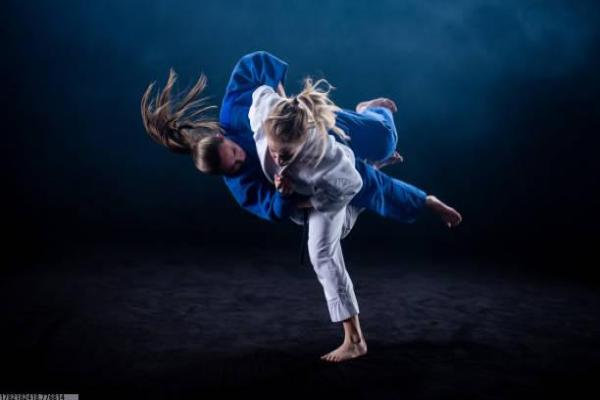
Another fascinating sport is Chinese wrestling, known as \Shuaijiao.\ This ancient martial art dates back to the Warring States period (475-221 BC) and is a testament to the Chinese people's ingenuity and resilience. Shuaijiao involves a variety of throws, holds, and grappling techniques, all designed to disable an opponent without causing serious injury.
The Cultural Significance of Chinese Sports
Chinese sports are not just about physical prowess; they are deeply intertwined with the country's cultural identity. Each sport carries its own set of values and traditions that have been passed down through generations.
Take, for instance, the Dragon Boat Festival, a traditional Chinese holiday that celebrates the spirit of a revered poet, Qu Yuan. During this festival, people participate in dragon boat races, a sport that symbolizes the strength and unity of the community. The dragon boat itself is a representation of the mythical dragon, a symbol of power and prosperity in Chinese culture.
Similarly, the Chinese martial arts, such as Kung Fu and Shaolin, are not just about self-defense; they embody the principles of discipline, respect, and self-improvement. These arts have been shaped by the country's history, with each style reflecting the region's unique cultural influences.
The Evolution of Chinese Sports
As China has evolved, so too have its sports. With the opening up of the country in the late 20th century, Chinese sports have started to gain international recognition. Sports like table tennis, badminton, and ping pong have become global phenomena, with Chinese athletes dominating the world stage.
The Chinese government has also played a significant role in promoting traditional sports. Programs like the \Healthy China 2030\ initiative aim to encourage people to engage in physical activities, including traditional sports, to improve their health and well-being.
The Global Impact of Chinese Sports
The world has taken notice of Chinese sports, and their influence is growing. From the vibrant colors and intricate designs of Chinese martial arts uniforms to the unique techniques and philosophies of these sports, there's a lot to learn and appreciate.
International festivals and competitions have become platforms for sharing the beauty of Chinese sports with the world. For example, the World Tai Chi and Qigong Day is celebrated annually, bringing together practitioners from around the globe to share their knowledge and experiences.
The Future of Chinese Sports
As the world becomes more interconnected, Chinese sports are poised to play an even greater role in shaping global culture. With the increasing interest in traditional practices and the growing awareness of mental and physical well-being, Chinese sports offer a unique blend of history, culture, and athleticism.
The future of Chinese sports lies in preserving their traditional values while embracing innovation and modernity. By doing so, these sports can continue to captivate audiences worldwide and contribute to the rich tapestry of human culture.
So, the next time you see a Tai Chi master gracefully flowing through a series of movements or a dragon boat team paddling with synchronized precision, take a moment to appreciate the depth and beauty of Chinese sports. They are more than just games; they are a living testament to the country's rich heritage and its enduring spirit.





 关闭返回
关闭返回